

Concrete
July 28, 2026
New concrete plant to prepare IBF for future major infrastructure projects and support Denmark’s climate adaptation efforts
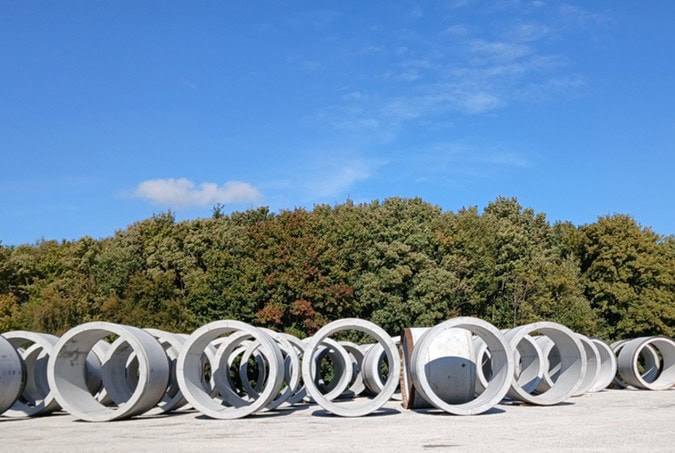
Denmark is investing heavily in climate adaptation measures in response to the increasing frequency of extreme weather events. Following the severe cloudburst that struck Copenhagen in 2011, a number of major infrastructure projects have been launched to help protect the Danish capital against future flooding.
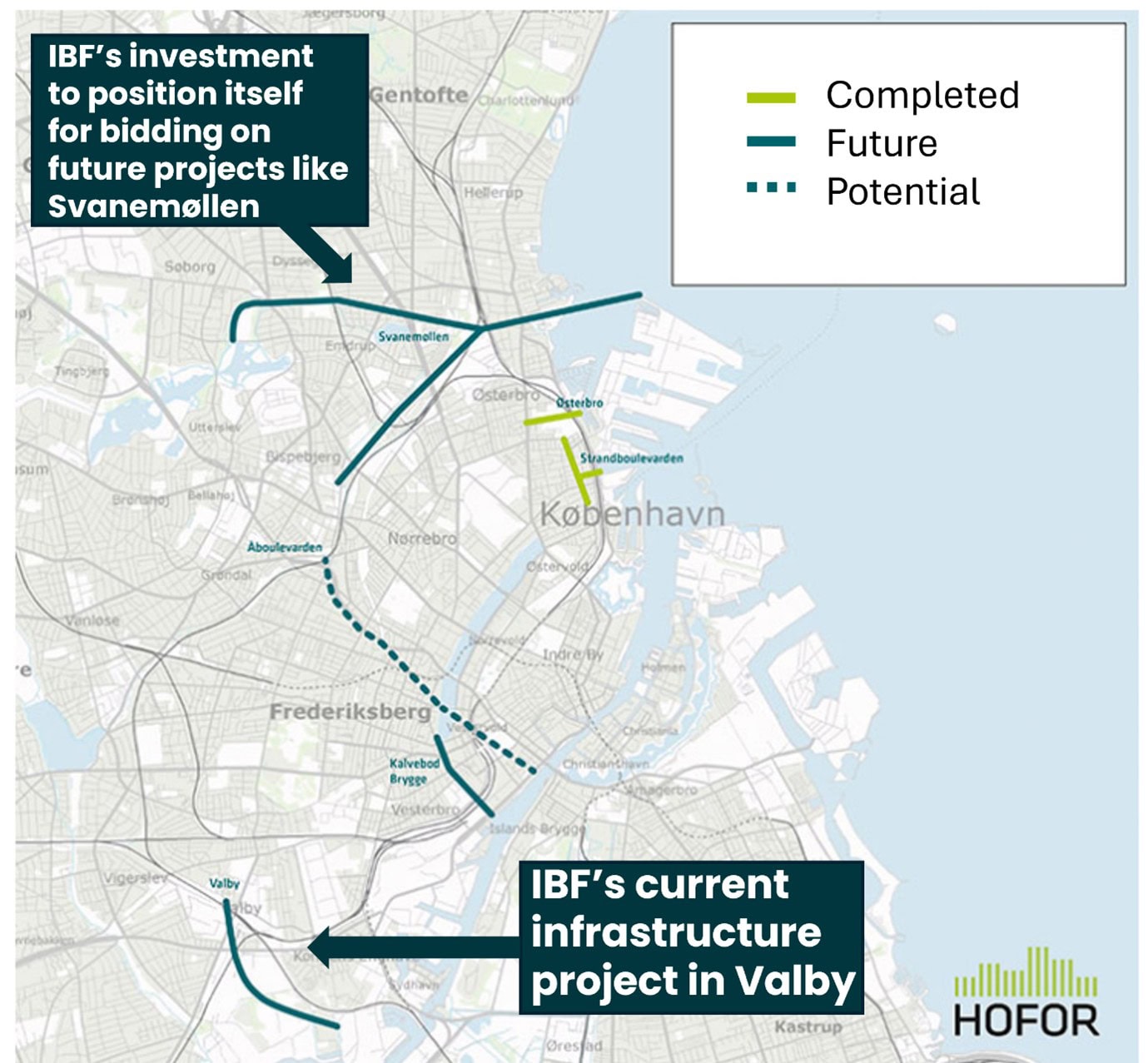
One of the projects already attracting interest from IBF’s production facility in Ringe, on the island of Funen, is the Svanemøllen Stormwater Tunnel. This project places particularly high demands on concrete quality, supply reliability and production capacity. At approximately 10 kilometres in length, the tunnel will become Denmark’s longest stormwater tunnel, with the tender process expected to run until 2027. To prepare for future opportunities, IBF has decided to start construction of an additional production hall equipped with a complete new concrete batching plant from SKAKO Concrete.
Map showing the locations of the projects in Copenhagen:
Commenting on the investment, Jesper Koppel Kittelmann Bang, Infrastructure Project Manager / Senior Project Manager at IBF in Ringe, says:
“The investment in a new production hall equipped with a complete concrete batching plant will strengthen IBF’s ability to bid for even more large-scale and highly specialised infrastructure projects in the years ahead.”
The new plant includes, among other equipment, an Atlantis AM2250 mixer, a Conflex Conveyor 2250, and SKAKO Concrete’s Skakomat control system.
Explaining the decision further, Jesper Bang states:
“For IBF, it was essential to select a solution capable of producing consistent, high-quality concrete with excellent strength and a surface finish that minimises the need for manual post-processing. This will not only improve production efficiency but also ensure a more uniform quality of the finished concrete pipes. These characteristics are crucial when concrete pipes must withstand significant loads and guarantee a service life of at least 100 years.”
The choice of SKAKO Concrete was also based on positive experience, as IBF already operates both a SKAKO mixer and control system at its existing facilities.
Precision is critical
The stringent quality requirements for the concrete are closely linked to the construction method used for the stormwater tunnels, explains Jesper Bang:
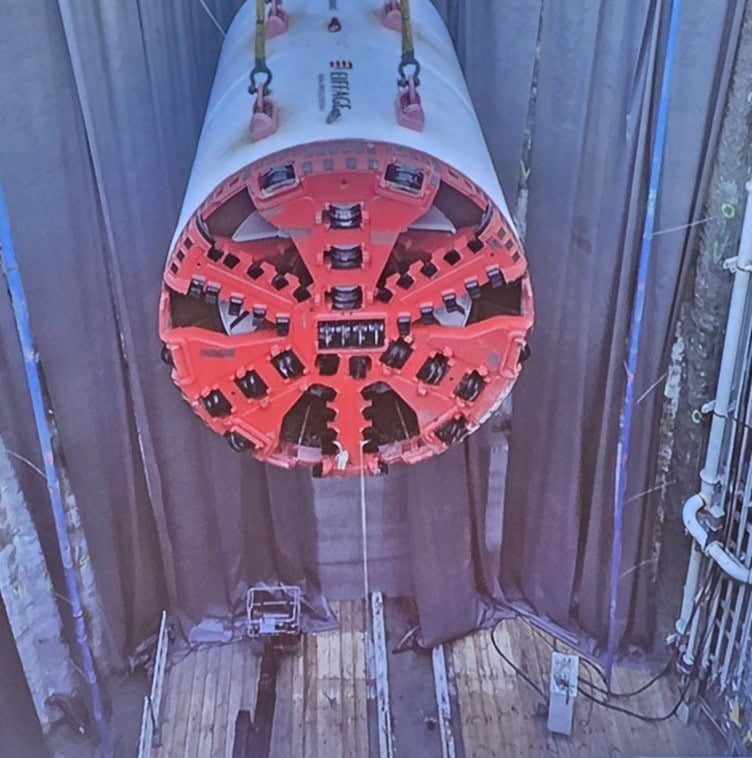
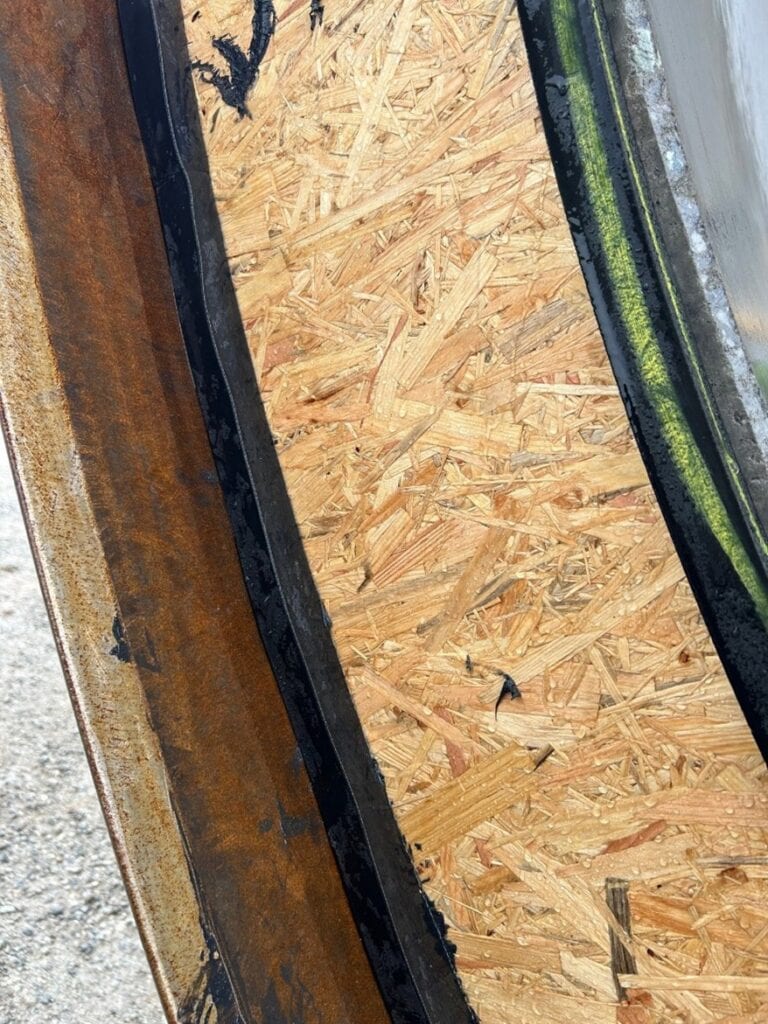
“The tunnels are constructed using the Pipe Jacking method, where a tunnel boring machine advances through the ground while hydraulic jacks push the precast concrete pipes forward behind the cutter head. A timber load-distribution ring is placed between each pipe section to ensure that the jacking forces are distributed evenly during installation. This helps create tight and precise joints and highlights the importance of producing highly uniform pipes with very small tolerances.”
Tunnel boring machine, front view:
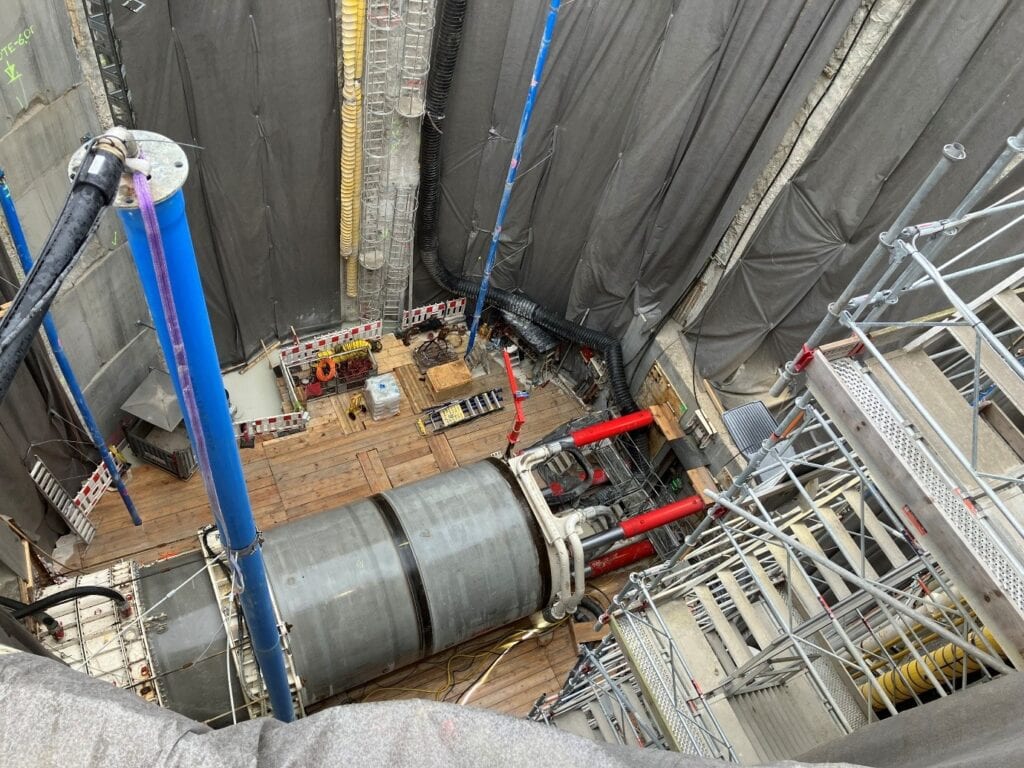
Concrete pipes and hydraulic jacks inside the 25-metre-deep jacking shaft:
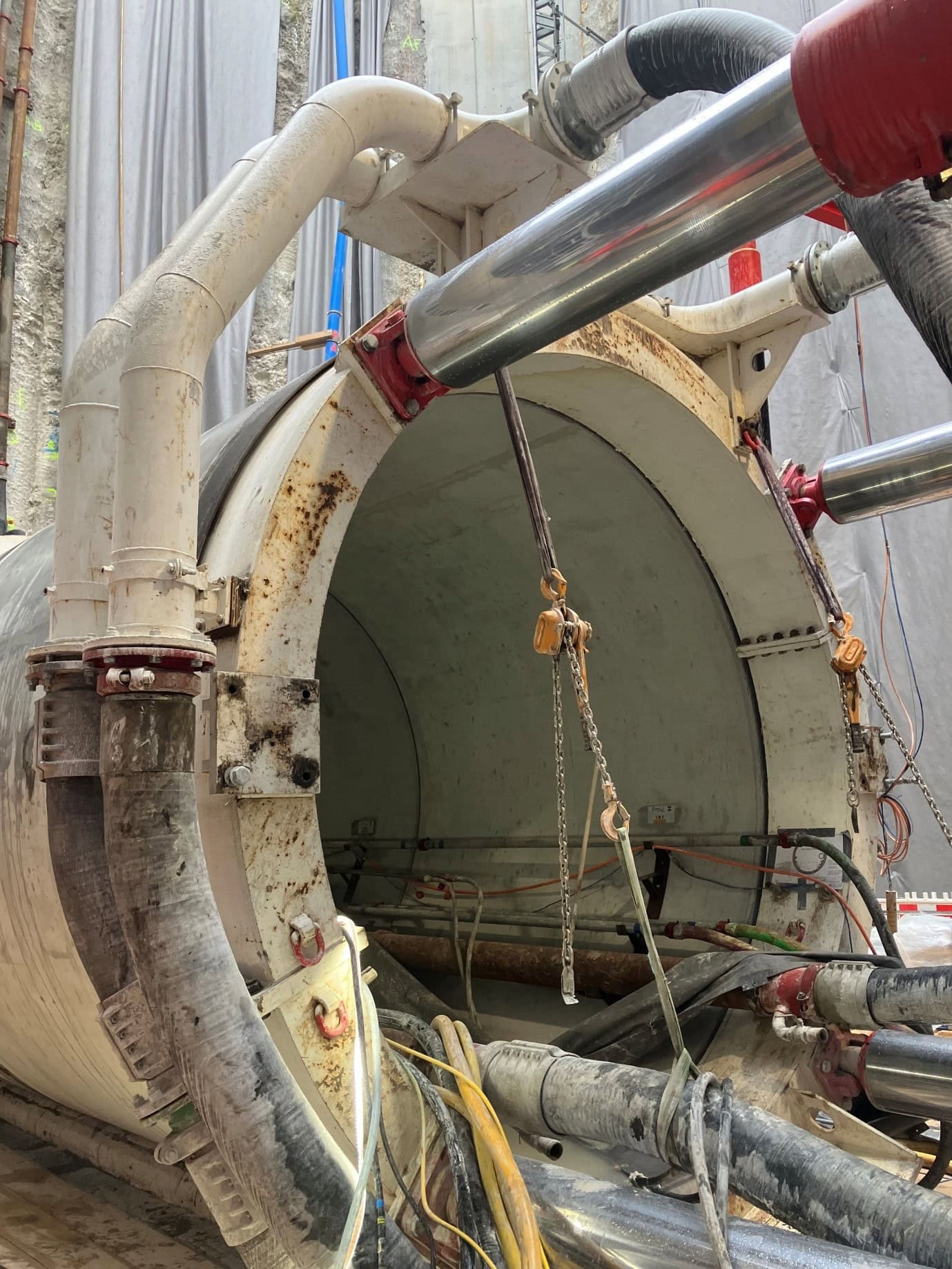
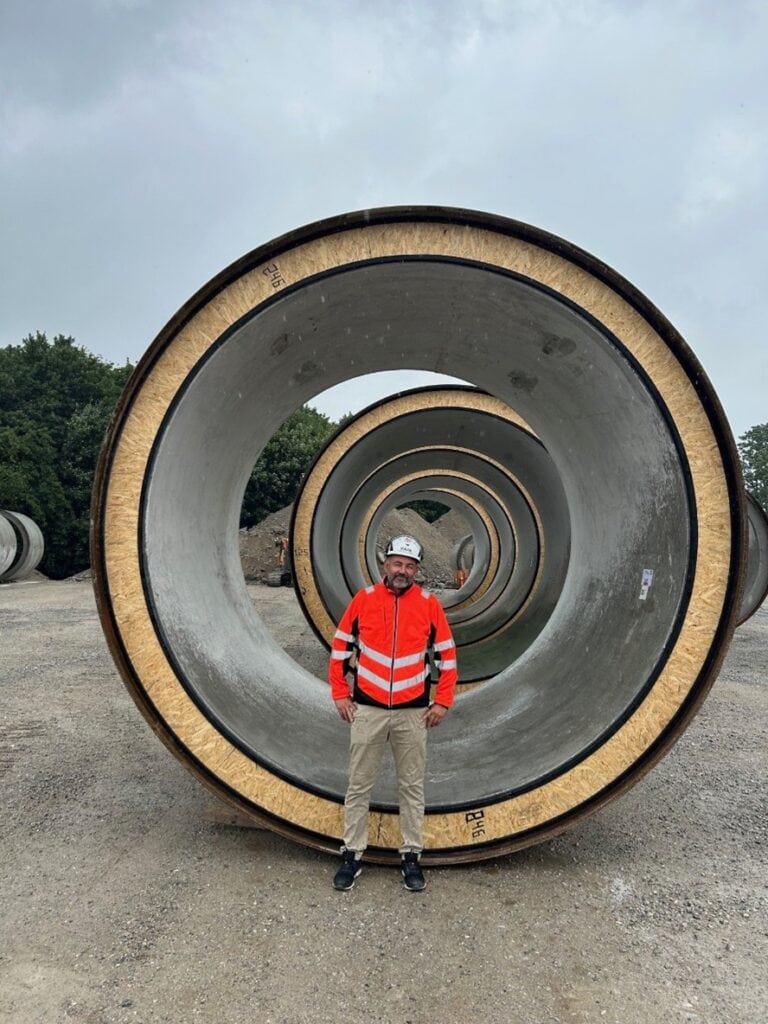
Timber load-distribution ring installed inside the finished concrete pipes, illustrating both the joint design and the impressive size of the pipe:
800 custom-made pipes for Valby
Large tunnel projects are far from new territory for IBF in Ringe. The production facility specialises in manufacturing precast concrete elements for infrastructure projects and is already supplying 800 custom-made concrete pipes for the Valby Stormwater Tunnel.
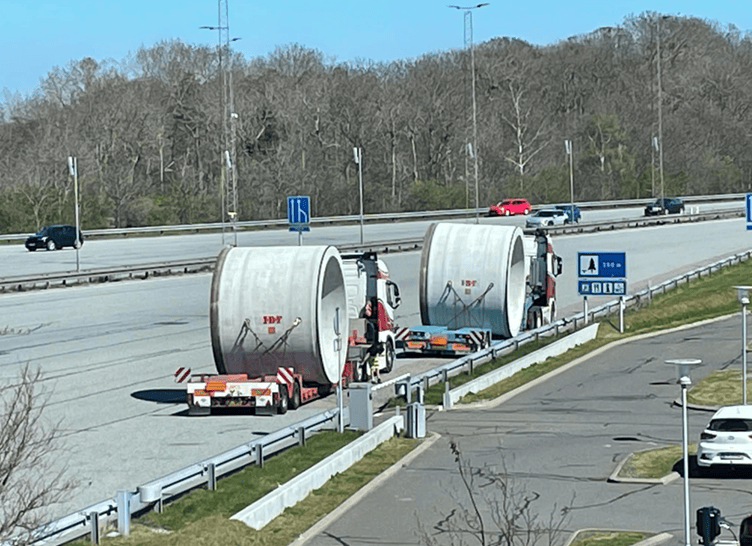
“Each pipe is 3 metres long, has an outer diameter of 4 metres and an inner diameter of 3.4 metres. Weighing approximately 25 tonnes each, the pipes require extensive logistical planning, which means that only one pipe can be transported per truck on the approximately 160-kilometre journey from Ringe to Copenhagen,” explains Jesper Bang.
Transportation of concrete pipes to Copenhagen:
Construction of the Valby Stormwater Tunnel began in 2024 and is expected to be completed in 2028. The tunnel is being installed approximately 20 metres below ground level to pass beneath the existing infrastructure of the Danish capital. With a total length of 2.4 kilometres, the project is being carried out in several phases, and work on the northern section of the tunnel has recently commenced.
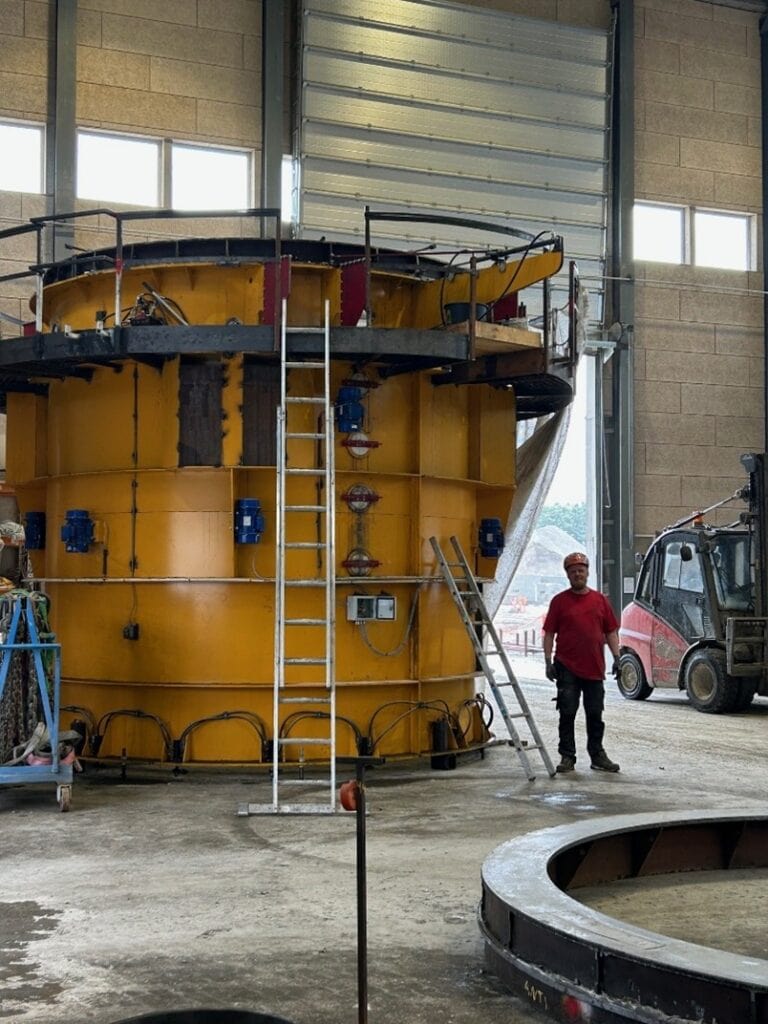
One of IBF’s three massive custom-made moulds used to cast a 3-metre-long tunnel pipe:
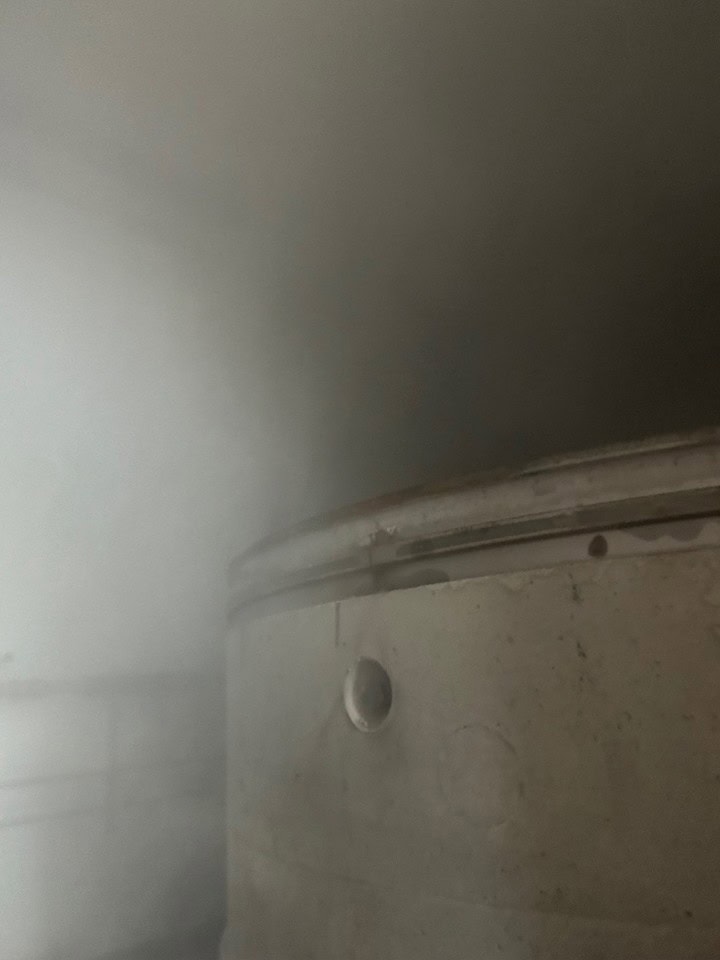
A concrete pipe during the curing process. Heat, steam and carefully controlled humidity accelerate strength development, allowing the concrete to reach the high performance levels required for tunnel construction:
An important part of future climate adaptation
Once completed, the Valby Stormwater Tunnel will function as an underground reservoir with a capacity of approximately 26,000 cubic metres of stormwater, while the Svanemøllen Stormwater Tunnel will be able to handle around 100,000 cubic metres. During periods of heavy rainfall, water can be temporarily stored in the tunnels and subsequently pumped away, significantly reducing the risk of flooding in the surrounding urban areas.
Together, these two stormwater tunnels will play a vital role in protecting Copenhagen against increasingly frequent and severe rainfall events in the future.
At SKAKO Concrete, we are proud to be part of the solution and to collaborate with IBF on projects that contribute to Denmark’s future climate adaptation efforts.
You can learn more about the Valby Stormwater Tunnel on HOFOR’s website: https://shorturl.at/i0DMr
